Curriculum


Methods of seed dispersal
Plants disperse their seeds in different ways. Let us look at some of these ways:
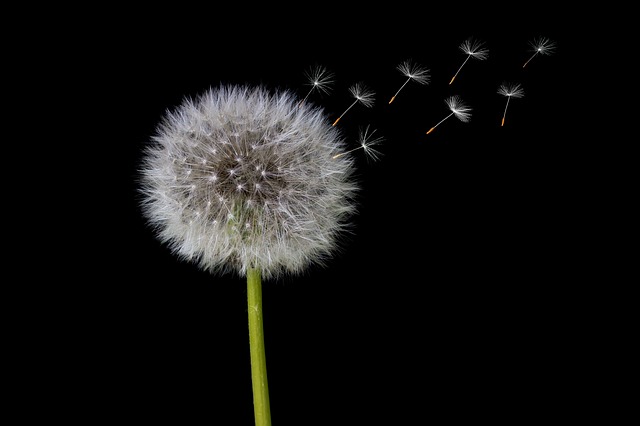
Wind: Some plants depend on the wind to spread their seeds. These plants produce seeds that the wind can easily carry. They are light and are designed in a way that allows the wind to carry them away from their parent plant. Some of these seeds travel several miles before they land.
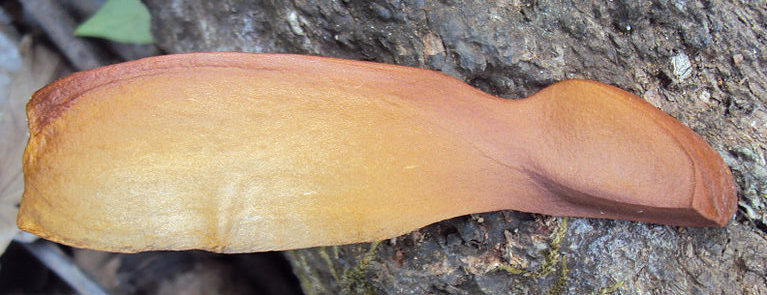
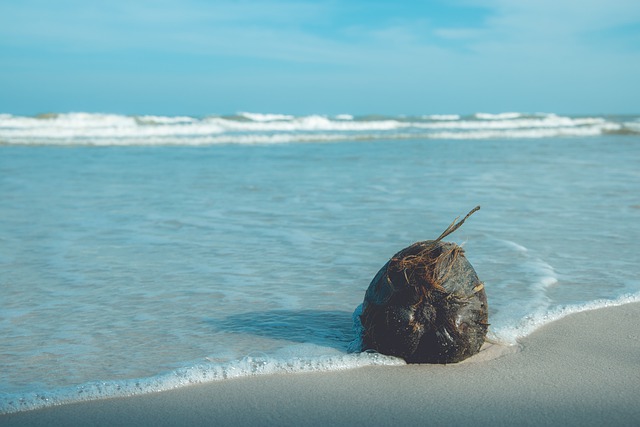
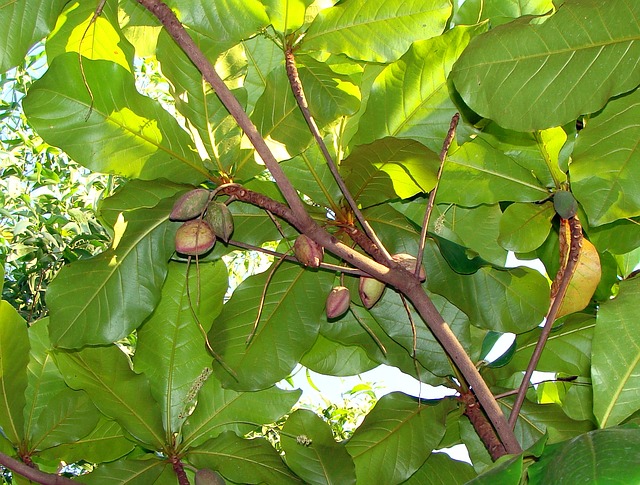
Water: Some plants depend on water to disperse their seeds. These plants often grow near the sea or on riverbanks. Their seeds are able to float. The seeds drop into the water and get carried away from the parent plant. Indian almonds and coconuts can be dispersed in this way.
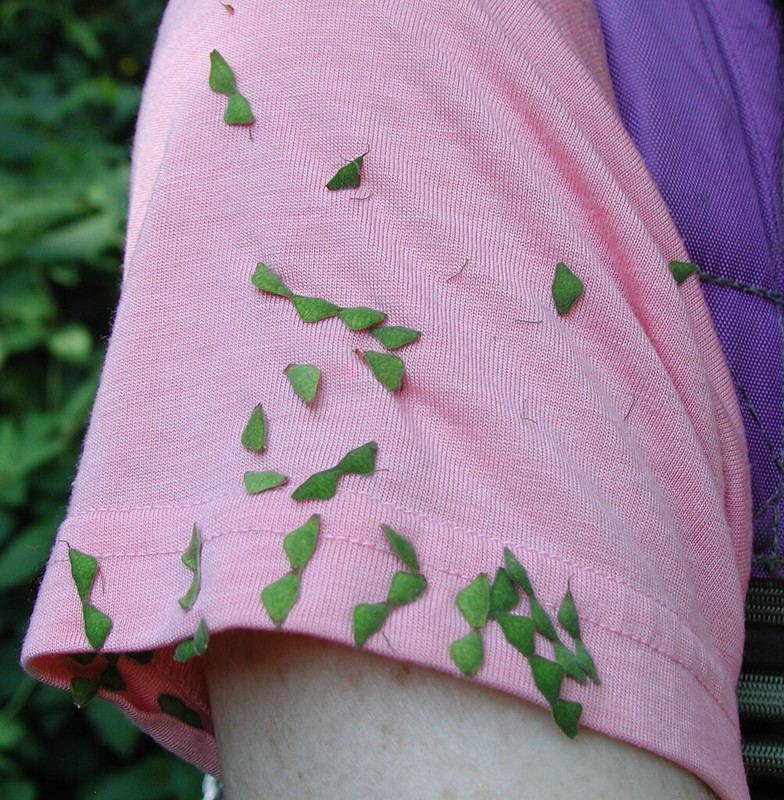
Animals: Some plants produce seeds which can stick to animals. If an animal brushes against the plant, some seeds stick to its fur. The animal then carries the seeds away from the parent plant. The seeds fall off after some time in a new area where they may germinate.
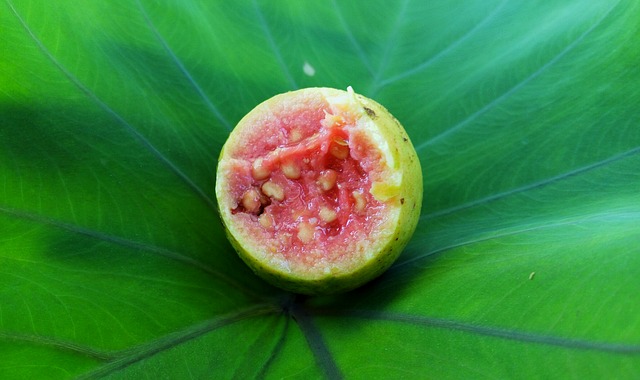
Some plants, such as mango trees, produce fleshy fruits with large seeds. Animals eat the flesh of the fruit and throw away the seeds. The seeds may then grow into new plants. Other plants produce fruit with small seeds. When the fruit is eaten, the seeds pass through the digestive system of the animal but they are not destroyed. The seeds get passed out in the animal’s waste and can then germinate. Guava seeds and raspberry seeds are dispersed this way.
Mechanical: Some plants are able to fling or launch their seeds away from them. They do not rely on wind, water or animals to move their seeds. These plants have structures which cause their seeds to be thrown away from the parent plant. Mexican petunias, squirting cucumbers and some violets spread their seeds this way.
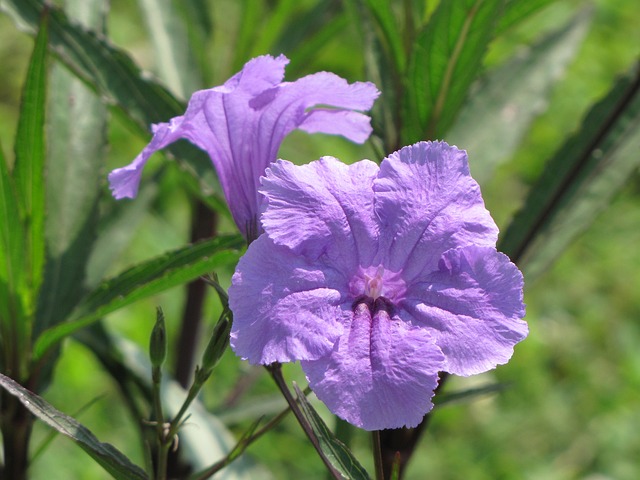
Watch the video below of mexican petunia seed pods exploding.