


What is a seed?
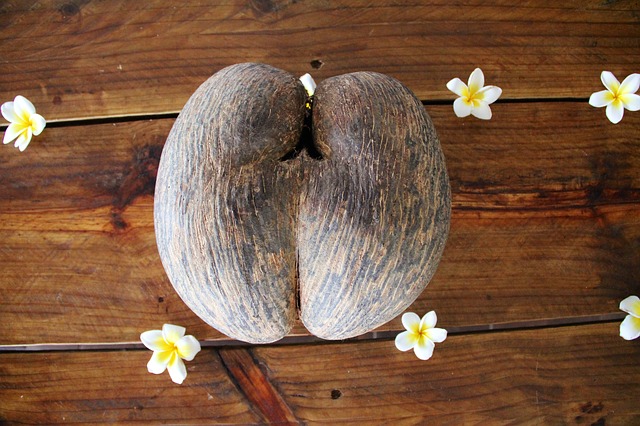
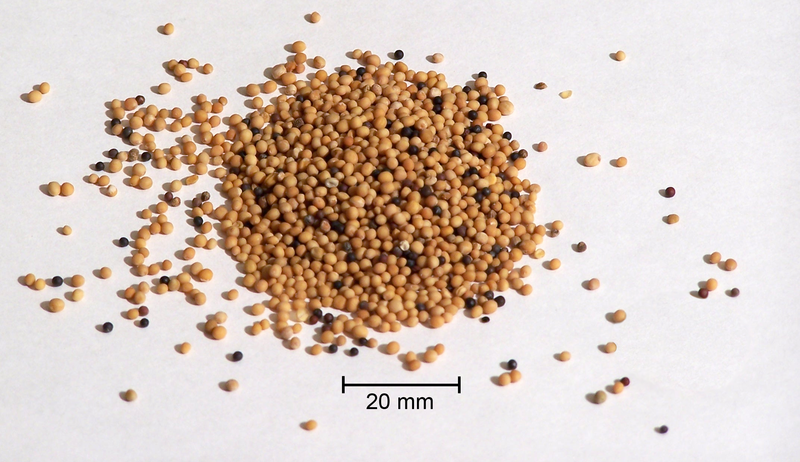
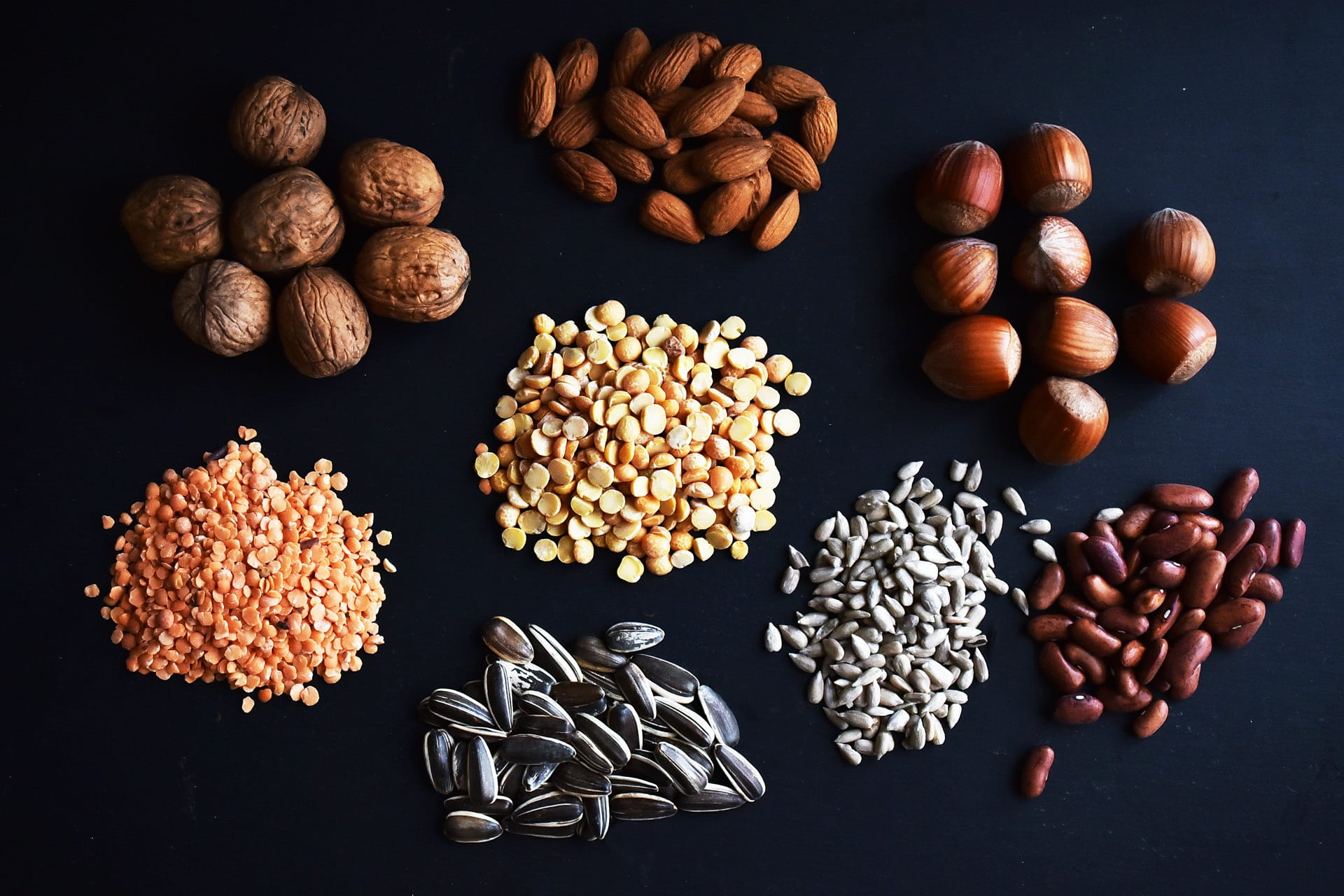
A seed is a part of a plant which contains an embryo that can grow into a new plant. Seeds develop when ovules in the ovary of a flower are fertilized. Each fertilized ovule develops into a seed. Seeds come in many different shapes and sizes.
Parts of a seed
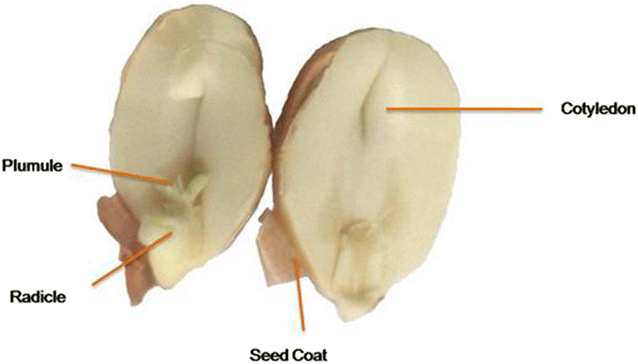
Although seeds can be very different, they usually have the same main parts. Look at the diagram below.
Functions of the parts of the seed
The plumule: This is the part of the seed that will develop into the shoot. When a seed starts to grow into a new plant, the plumule grows upwards and develops into the leaves and stem of the plant.
The radicle: This is the part of the seed that will develop into the roots of the new plant. When a seed starts to grow, the radicle grows downward into the soil.
The cotyledon: This is a part of the seed which contains nutrients for the new plant. The cotyledon helps supply the nutrients that the new plant needs to start growing. Some seeds have one cotyledon while others have two cotyledons.
Seed coat: This is the outer covering of the seed. It protects the seed until the conditions are right for the seed to germinate (start growing). There is a very tiny hole in the seed coat called the micropyle which allows water to enter the seed.