Monocotyledons and Dicotyledons
What is a monocotyledon?
A monocotyledon is a flowering plant that produces seeds which have only one cotyledon. Examples of monocotyledons are corn, rice, coconut, wheat and banana. Monocotyledons are sometimes called monocots.
What is a dicotyledon?
A dicotyledon is a flowering plant which produces seeds which have two cotyledons. Examples of dicotyledons are peas, beans, mangoes, sunflowers and guavas. Dicotyledons are sometimes called dicots.
Differences between monocotyledons and dicotyledons
1. Seeds
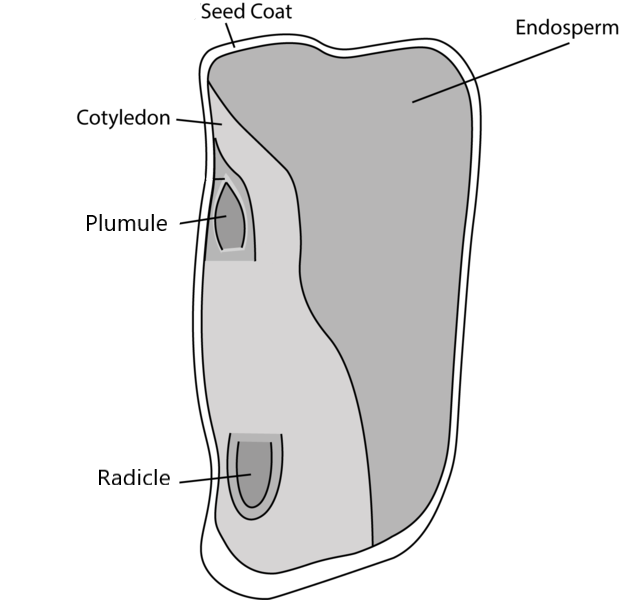
The seeds of monocotyledons have only one cotyledon. Look at the diagram below. Notice that this seed has just one cotyledon.
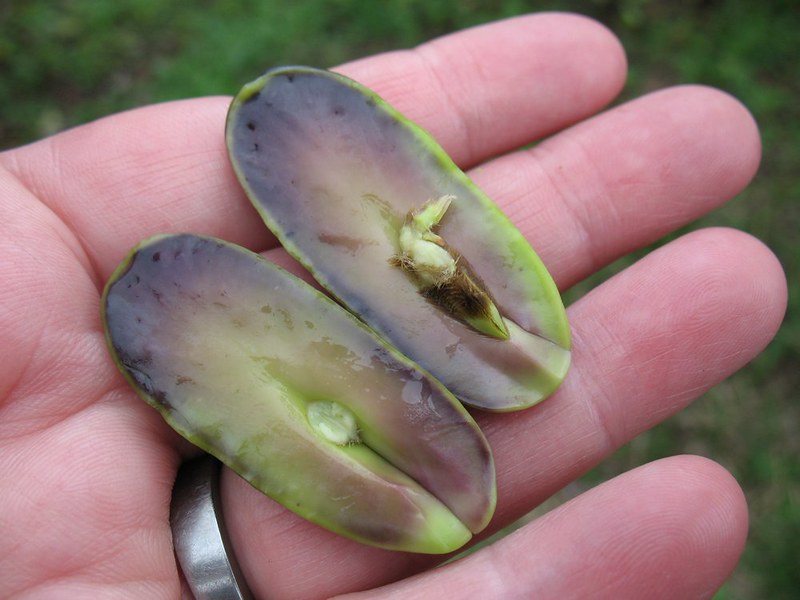
The seeds of dicotyledons have two cotyledons. Look at the seed of the ice cream bean below.
2. Leaves
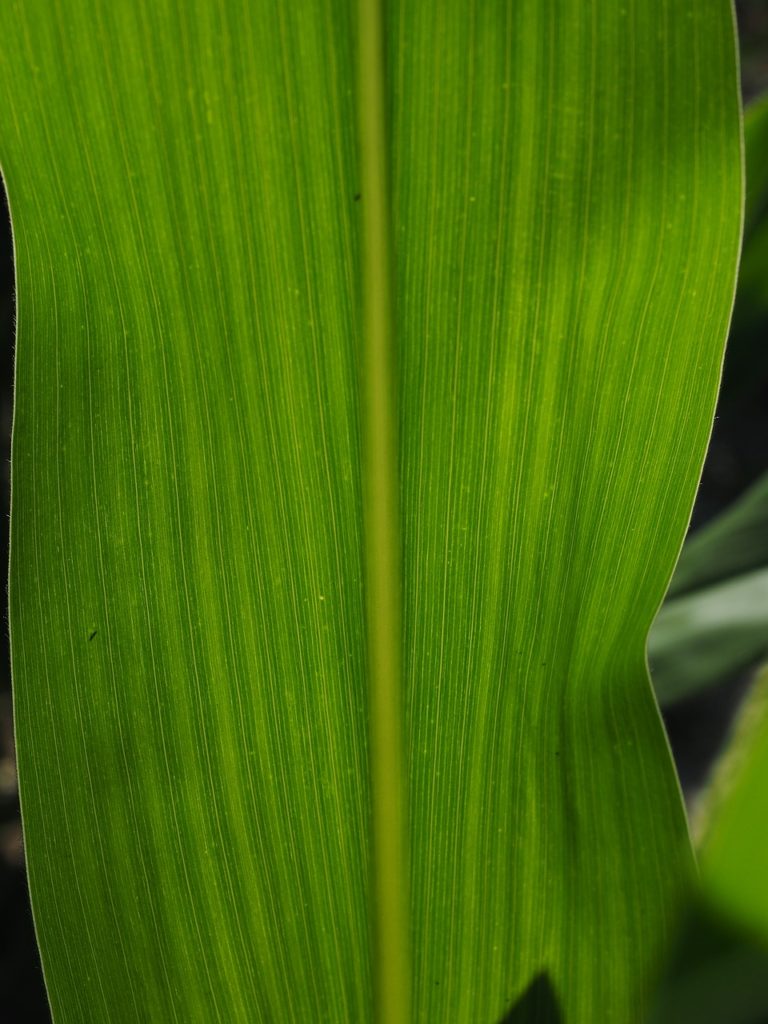
The leaves of monocots are usually long and slender. The veins of the leaves of monocots are parallel. Look at the picture of the leaf below.
The leaves of dicots are usually broader and their veins spread out in different directions. Look at the picture of a maple leaf below.
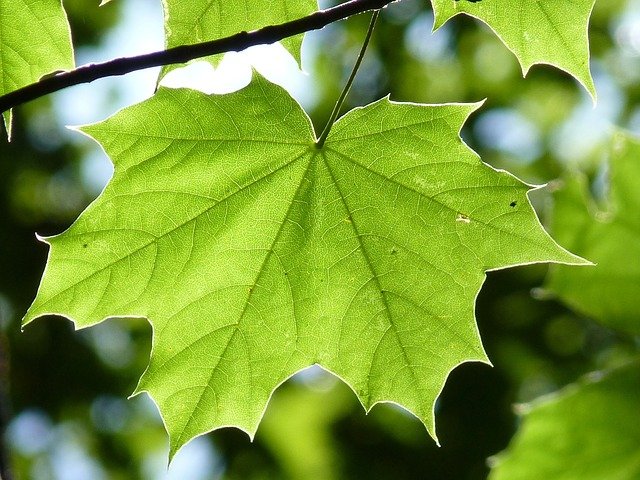
3. Roots
Monocotyledons have fibrous roots which spread out in many directions. Look at the picture below.
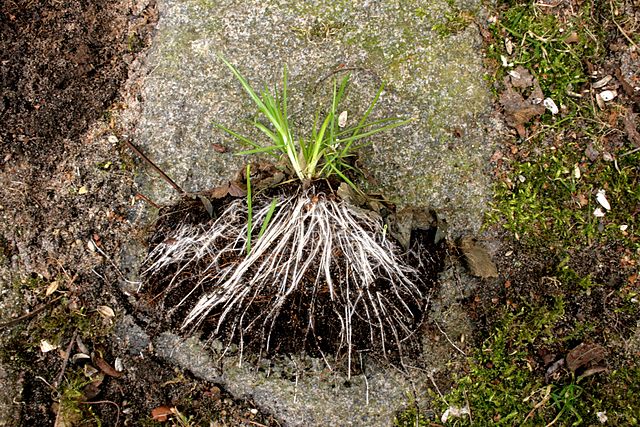
Dicotyledons have one main root called a tap root with smaller roots branching out from it. Look at the picture below.

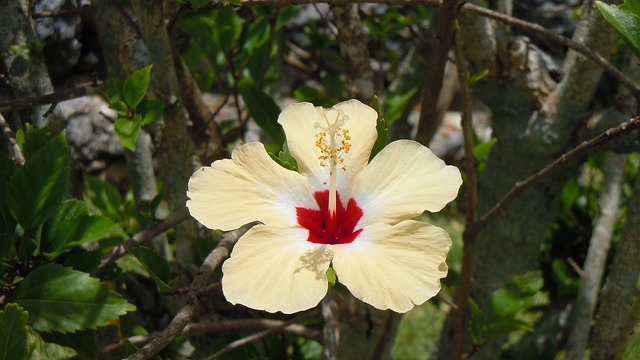
4. Flowers: Monocots usually have flowers with petals in multiples of three. Dicots usually have flowers with petals in multiples of four or five. Look at the flowers in the pictures below.